


AI as the New Mythmaker: Crafting Legends for a Digital Frontier
- Abhi Mora
- Aug 29, 2025
- 3 min read

Myths have always helped humanity make sense of the unknown—whether through cosmic origins, moral dilemmas, or epic journeys. Today, as we embrace a new digital age, Artificial Intelligence (AI) is stepping in as a modern mythmaker. Instead of simply retelling age-old stories, AI crafts fresh narratives that mirror our evolving relationship with technology.
Advanced AI models can create original myths by tapping into a diverse range of cultural narratives. These algorithms are trained on everything from folklore to speculative fiction. They generate imaginative tales that combine elements like the trickster, the hero, or the oracle with futuristic settings. Consider a digital Prometheus giving artificial consciousness to machines, or an ancient sun god ensnared in a quantum simulation. AI systems such as GPT and Sudowrite are not just tools for writers; they actively generate rich plotlines, dynamic characters, and poetic language.
Reviving Myths for a Digital Age
In our rapidly changing digital landscape, traditional narratives face new interpretations. AI can encapsulate timeless tales in modern frameworks, reviving forgotten stories with a contemporary twist. In fact, research shows that over 70% of people believe technology enhances storytelling by making it more engaging and relevant.
Moreover, AI-generated myths tackle current human experiences—climate change, digital consciousness, and the rise of virtual realities—reflecting our societal fears and aspirations. For instance, a narrative exploring the impact of social media could resemble a modern-day Odyssey, with characters navigating challenges posed by digital connectivity and misinformation.
Reimagining Cultural Narratives
AI's role in myth-making goes beyond creativity; it is deeply connected to cultural preservation. AI can help rescue endangered oral traditions by transcribing and reinterpreting stories, bringing them to new audiences. An example is projects where AI is used to document indigenous folk tales. These efforts focus on retaining cultural integrity while allowing new formats for storytelling.
Additionally, classic tales can be revitalized through alternative retellings. Imagine the Norse saga of Ragnarok transformed into a futuristic sci-fi epic, or the Mahabharata recreated as an immersive virtual reality experience. Such fresh interpretations offer new insights while respecting the depth of original stories, merging past narratives with the potential of future storytelling.

Ethical Considerations in AI Myth-Making
The rise of AI as a mythmaker brings forth a host of ethical challenges. Myths are closely linked to identity, culture, and beliefs. This raises important questions: Can AI truly understand the nuances of culture? What are the risks of misrepresenting sacred stories or simplifying complex traditions?
There is a critical need for AI developers to embrace cultural sensitivity and ensure transparency in their algorithms. Collaborating with human storytellers is essential for maintaining the integrity of cultural narratives. For example, AI could work alongside indigenous communities, allowing for respectful storytelling that honors the richness of their mythological traditions.
The AI as Co-Creator
Ultimately, AI's role in myth-making is not to replace human creators but to act as a co-creator. As we blend technology with culture, machines are learning to dream too. This partnership fosters collaboration, allowing human storytellers to deepen their narratives with AI-driven insights.
This evolving relationship invites us to rethink creativity and authorship in today's world. AI can enhance storytellers' processes by introducing new ideas and perspectives, offering a canvas for deeper exploration. As technology intertwines further with daily life, the collaboration between human creativity and AI can spark the creation of myths that resonate with emerging generations.
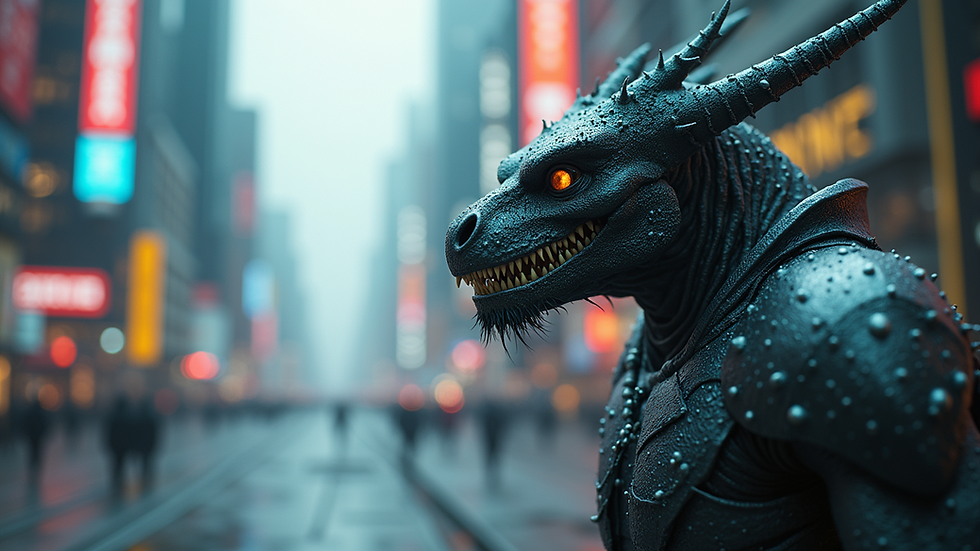
The New Landscape of Mythmaking
AI is evolving beyond being a simple tool; it is emerging as a partner in the ongoing journey of myth-making. By harnessing the remarkable power of algorithms, we can create legends that speak to the realities of our digital era. As we explore this new frontier, we must carefully consider cultural sensitivities and the deeper meanings behind myths.
As we welcome this innovative mythmaker, we are encouraged to examine the connections between technology and storytelling. The narratives that emerge may challenge our understanding of both ourselves and the world, prompting us to rethink our myths for both today's digital context and the broader human experience.
In this age of artificial imagination, storytelling is becoming a collective effort—where both humans and machines contribute their insights. Together, we are crafting new legends that reflect the rapid changes in our world, fostering creativity and connection in the process.
By:
Abhi Mora


Comments