


Harnessing AI to Decode Animal Language and Communication
- Abhi Mora
- Oct 29, 2025
- 3 min read

For centuries, humans have imagined a world where we can understand animals—not through fantasy, but through real science. Today, thanks to advancements in artificial intelligence (AI), we are closer to that dream. AI is changing how we decode patterns in animal communication, helping us uncover the secrets of the animal kingdom in ways we never thought possible.
The Science Behind Animal Language
Animals communicate using various signals, such as vocalizations, body language, gestures, and scents. Each form of communication conveys emotions, intentions, and environmental cues. This creates a complex language that humans are just beginning to understand.
AI has become a vital tool in this exploration. By analyzing vast datasets, including thousands of hours of recordings of whale songs, bird calls, and elephant rumbles, AI can recognize patterns that appear similar to human language structures. For example, researchers have analyzed around 200 hours of bird recordings, leading to the discovery of specific calls used for warning others about predators.
Additionally, merging bioacoustics with machine learning allows algorithms to categorize these animal sounds by meaning. For instance, AI can differentiate alarm calls from mating calls or calls signaling the presence of food. By understanding these calls, researchers can gain deeper insights into animal behaviors and even predict their reactions in different situations.
Real Projects in Progress
Several innovative projects demonstrate how AI is reshaping our understanding of animal communication:
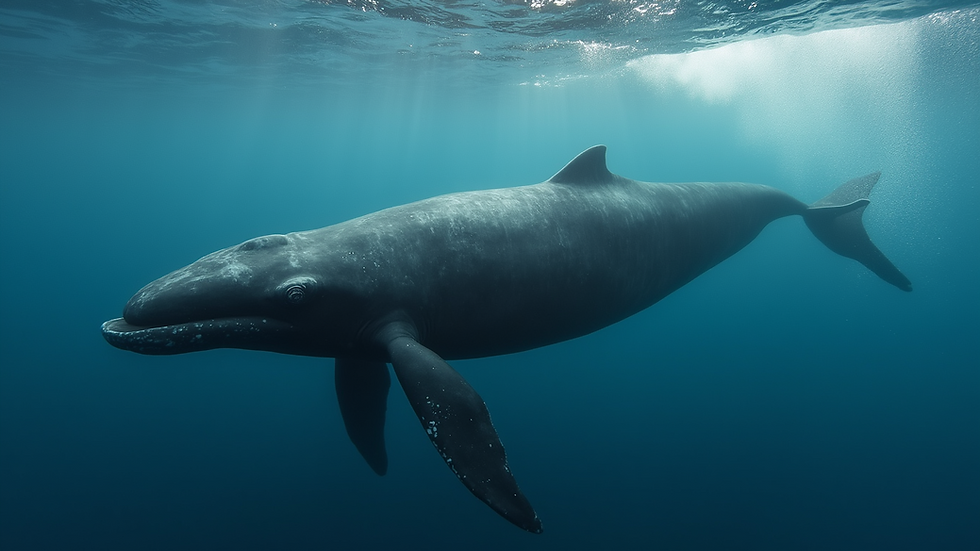
Project CETI is one prominent effort aimed at decoding sperm whale clicks. Using AI, researchers are working to create a comprehensive "dictionary" of their communication. By analyzing patterns in the sounds, they hope to reveal how sperm whales interact socially, which could make up part of their sophisticated communication.
Another exciting initiative is the Elephant Listening Project. This program employs AI to monitor elephant alarm calls in real-time, detecting poaching threats more effectively. Since elephants have a wide range of vocalizations, understanding these calls allows conservationists to respond faster, potentially saving lives.
Moreover, researchers are applying neural networks to analyze birdsong. By studying regional dialects and specific mating calls in over 30 bird species, scientists gain important insights into their social structures and behaviors, revealing how communication plays a role in their ecosystems.
The Importance of Understanding Animal Communication
Decoding animal signals is not just a fun scientific endeavor; it carries serious implications for conservation and our relationship with wildlife. For example, understanding how animals communicate can lead to better protection measures for endangered species. According to the World Wildlife Fund, over 8,000 species are threatened with extinction, and improving our understanding of their needs could help improve survival rates.
Bridging the communication gap between humans and animals can also change how we view other species. Rather than seeing them as resources, we will learn to appreciate them as beings worthy of empathy and respect.
The possibilities are exciting. Imagine a future where AI can translate a dog's bark or a dolphin's whistle into human language. Such breakthroughs could transform our bonds with animals, encouraging deeper emotional connections.
Looking Ahead
While AI may not make us the Dr. Dolittle of our time, it is helping us tune in to the rich voices of the animal kingdom. Through ongoing research and advancements in technology, we stand on the brink of understanding the intricate webs of communication that exist beyond human speech.
As we explore this new frontier, the potential for enhanced empathy and conservation efforts grows. The dream of truly conversing with animals might not be as far off as we think. With the support of AI, we may soon chart a new era in how we connect with our fellow creatures.

By:
Abhi Mora


Comments