


How Artificial Intelligence is Shaping the Future of Rural Communities for the Better
- Abhi Mora
- Aug 16, 2025
- 3 min read

Artificial Intelligence (AI) is no longer a buzzword just for urban tech hubs. It is making significant inroads into rural communities, bringing about a transformation that is profoundly changing lives. With AI's application in agriculture, education, healthcare, and infrastructure, rural areas are not merely catching up; they are discovering new paths for growth and opportunity.
The Role of AI in Agriculture
In agriculture, AI is changing the game with precision farming techniques. For instance, AI-powered drones can cover up to 300 acres in a single flight, giving farmers a bird's-eye view of their crops. They monitor soil health, forecast weather, and identify pest infestations much faster than traditional methods. According to a report by the World Economic Forum, farmers using AI tools can increase crop yields by 20% on average, translating to thousands of dollars in additional profits for smallholders.
Additionally, Agri-bots—automated machines for tasks like planting and harvesting—are addressing the shortage of farm labor. In the U.S., about 60% of farmers report challenges in filling harvest positions. With Agri-bots, these farmers can complete their tasks efficiently and maintain productivity levels.

Transforming Education with AI
Rural education often faces roadblocks, including a lack of resources and limited access to quality materials. AI-powered platforms offer tailored educational experiences that can adapt to individual student needs. For example, an AI-driven app can provide real-time feedback and offer lessons in local dialects, making the learning process more relatable.
In 2022, a study showed that students in rural areas using AI-based platforms improved their math scores by 30% after just one semester. Virtual tutoring services also help bridge gaps, particularly in subjects like STEM, where qualified teachers may be scarce.
Advancing Healthcare in Rural Regions
Accessing healthcare is often a significant challenge in rural areas. AI is stepping in to provide solutions like remote diagnostics and telemedicine. For example, AI applications can analyze symptoms through simple inputs, offering preliminary advice that can save individuals from unnecessary trips to distant clinics.
A study from the Rural Health Research Center noted that telemedicine consultations increased by 154% during the pandemic in rural areas, illustrating the growing reliance on technology to meet healthcare needs. AI is not just a convenience; it is a critical lifeline for many people living in these communities.
Enhancing Infrastructure and Entrepreneurship
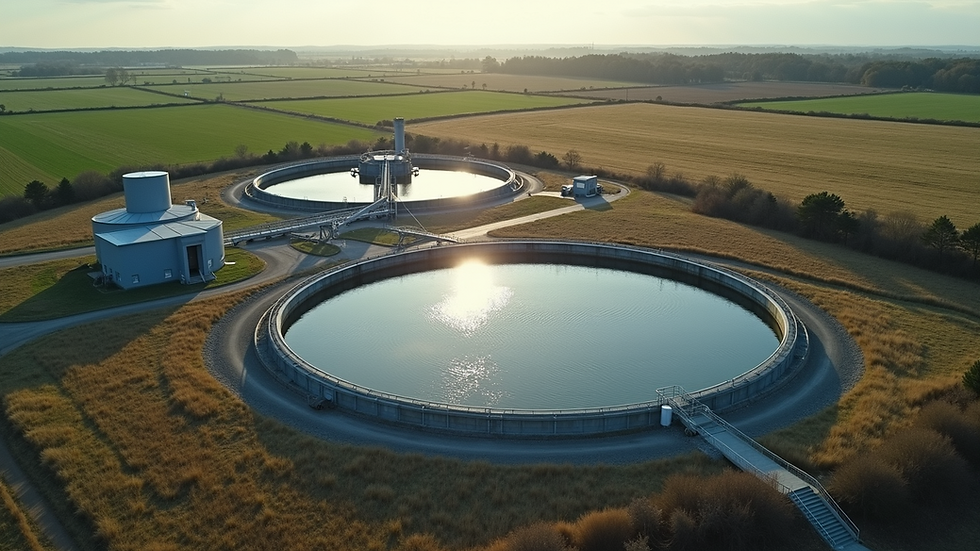
AI supports rural economies through smarter infrastructure solutions. For example, intelligent systems monitor energy consumption and manage water resources in real-time. These efforts help communities reduce waste; one town reported a 25% decrease in water loss after implementing AI-based monitoring systems.
Furthermore, small businesses in rural areas are using AI to enhance their operations. Retail shops can analyze shopping trends, while local farms can use data analytics to manage inventory better. According to a Small Business Administration report, businesses that adopt AI technologies see a 15% increase in growth over three years.
Overcoming Challenges
Even with its promise, AI poses challenges such as issues with digital literacy and infrastructure gaps. To ensure that technology benefits everyone, innovative solutions are necessary. For instance, community-led pilot programs have shown to be effective in addressing hesitancy toward new technologies.
Additionally, using offline AI tools can help communities with low internet access. These localized solutions can significantly improve everyday life, reaffirming that AI is a tool for empowerment rather than a barrier.
Ethical use of AI is also vital. Community involvement in the development of technology ensures that solutions meet real needs, fostering trust and acceptance among users.
A Vision for the Future
The future of AI in rural development is more than just technology; it’s about fairness and opportunity. When applied thoughtfully, AI can uplift rural communities, providing them with the resources needed to thrive.
By addressing inequalities in access to information and services, AI can help create sustainable futures in rural areas. The potential for growth and improvement is vast, and as these communities adopt AI, they open doors to opportunities previously thought unattainable.
As we envision the future, it is crucial for all parties—local governments, NGOs, tech companies, and communities—to work together. This collaboration will ensure that AI’s benefits are fully realized, leading to a more just and inclusive landscape for rural residents.
By:
Abhi Mora


Comments