


Transforming Doom Scrolling: How AI Can Help You Regain Control of Your Time
- Abhi Mora
- Jan 7
- 3 min read

Doom scrolling has become a common habit for many people. It’s the endless, often unconscious, scrolling through negative or unproductive content on social media or news feeds. This habit can drain your energy, increase anxiety, and steal precious time from your day. Fortunately, artificial intelligence (AI) offers practical tools and strategies to help you break free from this cycle and take back control of your time.
Understanding Doom Scrolling and Its Impact
Doom scrolling usually starts as a way to stay informed but quickly turns into a compulsive behavior. The constant exposure to negative news or overwhelming information can affect your mental health, leading to stress and reduced focus. It also eats into time that could be spent on more fulfilling or productive activities.
The challenge is that doom scrolling often feels automatic. Notifications, endless feeds, and personalized content keep you hooked. Recognizing this pattern is the first step toward change.
How AI Can Identify and Interrupt Doom Scrolling
AI-powered apps and tools can monitor your screen time and detect patterns of excessive scrolling. These tools use machine learning to understand your habits and send timely reminders or suggestions to take breaks.
For example, some smartphone apps track your app usage and alert you when you exceed a set limit. Others analyze the type of content you consume and encourage you to switch to more positive or educational material.
By using AI to bring awareness to your behavior, you can interrupt the cycle before it becomes overwhelming.
Personalized Content Filtering to Reduce Negative Exposure
One reason doom scrolling persists is the flood of negative or sensational content designed to capture attention. AI can help by filtering your content feed to prioritize positive, uplifting, or useful information.
Platforms are increasingly using AI algorithms to customize what you see based on your preferences and past interactions. You can take control by adjusting settings or using third-party tools that block or downrank harmful content.
For example, AI can highlight articles about hobbies, wellness, or inspiring stories instead of focusing on distressing news. This shift can improve your mood and reduce the urge to scroll endlessly.
AI-Powered Time Management and Focus Tools
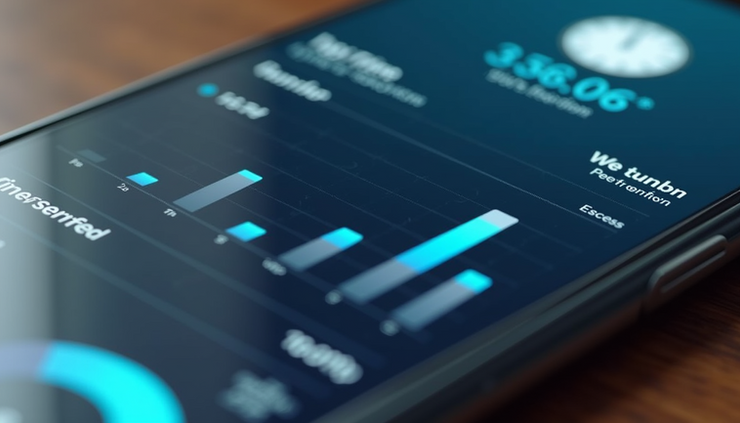
AI also supports better time management by helping you set goals and stick to them. Tools like AI-driven planners or focus apps can schedule your day, allocate time for breaks, and block distracting apps during work periods.
Some apps use AI to analyze when you are most productive and suggest optimal times for focused work versus relaxation. Others provide gentle nudges to step away from your device when they detect prolonged inactivity or scrolling.
These tools help you build healthier digital habits and regain control over how you spend your time.
Using AI to Build Positive Digital Habits
Breaking free from doom scrolling requires more than just limits; it involves creating new, positive habits. AI can assist by recommending activities based on your interests, such as reading, exercise, or mindfulness practices.
For instance, AI chatbots or virtual assistants can suggest short meditation sessions, quick workouts, or book recommendations when they detect you are about to start scrolling. These timely suggestions can redirect your attention to more rewarding activities.
Over time, AI can learn which alternatives work best for you and tailor its recommendations accordingly, making it easier to replace doom scrolling with healthier routines.
Practical Steps to Use AI Against Doom Scrolling
Install screen time tracking apps that use AI to monitor and report your usage patterns.
Customize content filters on social media platforms to reduce exposure to negative news.
Use AI-driven focus apps to schedule work and break times, blocking distracting apps when needed.
Set up AI assistants to suggest positive activities when you show signs of boredom or restlessness.
Review weekly reports from AI tools to understand your habits and adjust your goals.
The Future of AI in Managing Digital Well-being
As AI technology advances, it will become even more effective at helping users manage their digital lives. Future tools may offer deeper insights into emotional states, providing personalized support to prevent doom scrolling before it starts.
Integration with wearable devices could allow AI to detect stress or fatigue and suggest timely interventions. This proactive approach could transform how we interact with technology, making digital spaces healthier and more balanced.
Taking advantage of these emerging tools today can set you on a path toward better digital habits and improved well-being.


Comments