


Unlocking the Future: How AI is Revolutionizing Synthetic Biology and Redefining Life Itself
- Abhi Mora
- Aug 30, 2025
- 3 min read

Synthetic biology is an exciting field that aims to redesign living organisms for various beneficial purposes. Imagine biofuels that cut our dependence on fossil fuels, medicines that save lives, or biodegradable materials that tackle global pollution. Enter artificial intelligence (AI), the game-changer. This technology is speeding up breakthroughs in genetic design, protein folding, and metabolic pathway optimization. What once seemed impossible is now routine.
In this article, we will explore how AI is transforming synthetic biology, the innovative solutions emerging from this intersection, and the important ethical questions it poses.
The Role of AI in Synthetic Biology
AI is breathing new life into synthetic biology. For example, machine learning models help predict how changes in DNA sequences affect cellular behavior. This advancement allows scientists to engineer microbes that can efficiently produce vital substances, such as insulin or biofuels.
These algorithms analyze enormous datasets to provide insights that were previously unattainable. Research that used to take months can now be completed in days or even hours. A study found that AI can improve the efficiency of gene editing by up to 30%, drastically enhancing project timelines and output.
Protein Folding and AlphaFold
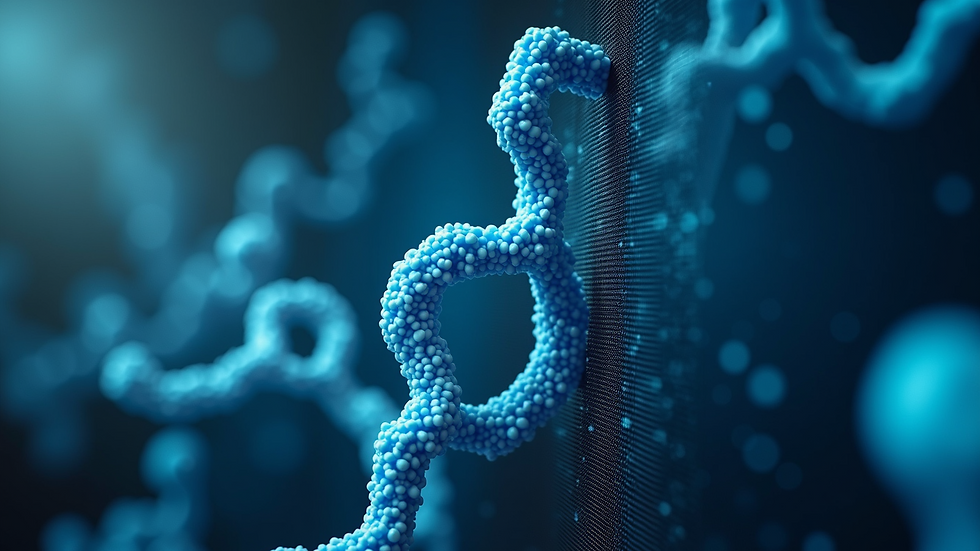
One of the most groundbreaking developments in this area comes from AlphaFold, an AI system created by DeepMind. It predicts protein structures with remarkable accuracy, impacting drug discovery and enzyme design. Understanding the shapes of proteins is crucial because their functions in biological processes depend on it.
AlphaFold has changed a complicated and sometimes unreliable process into a straightforward one. Researchers can now focus on groundbreaking ideas instead of being overwhelmed by the complexity of amino acid sequences. For instance, the pharmaceutical company Amgen reported a 45% reduction in time for discovering new drug candidates thanks to insights gained from AlphaFold.
Metabolic Pathway Optimization
AI's influence extends beyond protein design; it is crucial for optimizing metabolic pathways. By modeling complex biochemical processes, AI suggests the most efficient routes for metabolic reactions.
For instance, researchers are using AI algorithms to design metabolic pathways in microbes that turn biomass into biofuels. A 2022 study found that AI-optimized pathways increased biofuel yield by 25% compared to traditional methods. This innovative approach opens doors to more sustainable energy solutions while minimizing environmental impact.
The Ethical Dilemma of Synthetic Life
The blending of AI and synthetic biology raises critical ethical considerations.
Trusting Algorithms: Are They Ethical Designers of Life?
With algorithms taking charge of life design, we must consider the ethical implications. Can we fully trust AI to make decisions about creating new life forms? The risks are substantial, and algorithms are only as reliable as the data they process.
As researchers and ethicists engage in these conversations, it becomes clear that a multidisciplinary approach is essential for responsibly employing AI in synthetic biology. Collaboration between technologists, biologists, and ethicists can help establish guiding principles for AI use.
Ownership of Synthetic Organisms
When synthetic organisms are created, who owns them—nature, scientists, or corporations? This ownership question involves legal, ethical, and philosophical ramifications. As the number of synthetic life forms grows, the need for regulations that clarify ownership will become vital. A recent survey indicated that 70% of scientists believe there should be stricter regulations surrounding synthetic biology.
The Unpredictability of AI-Designed Life
Could AI-designed life forms evolve in ways we cannot foresee? This question deserves serious consideration. Evolution is a process that has taken centuries to develop, but rapid advances in AI and synthetic biology may speed things up beyond our control.
As the boundaries between natural and artificial life blur, the need for careful monitoring and oversight becomes increasingly important.
The Future of Synthetic Biology and AI
The combination of AI and synthetic biology is revolutionary. Not only does it enhance research efficiency, but it also challenges our traditional understanding of life.
As scientists design organisms that can adapt and thrive in dynamic environments, we step into a future where computation meets creation. This fusion impacts areas like environmental conservation, medicine, and renewable energy, paving the way for a new era of innovation.
Embracing New Horizons
AI is transforming synthetic biology, leading us into exciting territories where life can be engineered in ways previously thought impossible. From leveraging protein folding to optimizing metabolic pathways, the capabilities of AI in this field are impressive. However, as we embark on this journey, we must confront complex ethical concerns that redefine our understanding of life and innovation.
Moving forward requires collaboration among scientists, ethicists, and policymakers to ensure that the combination of AI and synthetic biology benefits society. As we continue to navigate the fine line between natural and artificial life, the future promises thrilling possibilities. Welcome to a world where the essence of life itself can be programmed and redefined!

By:
Abhi Mora


Comments